

HSBC Multi-Factor Investing
Diversification by Design
Equity markets aren’t always efficient. In the short term, sentiment and crowding can create mispricings; over time, fundamentals tend to reassert themselves. That gap between price and fundamentals is where long horizon investors can find opportunity, especially when they can stay disciplined through the noise.
HSBC Multi-Factor Equity aims to deliver consistent outperformance versus a market cap weighted index in a systematic, risk controlled way. Rather than relying on a single style, the strategy is designed to provide diversified exposure to multiple well-researched factors - value, quality, momentum, low risk and size - helping investors build a resilient portfolio.
Start here: your 3‑minute Multi-Factor introduction
Market leadership is changing. Diversification matters. Discover how a Multi-Factor approach can help investors navigate different market environments.
Your 3‑minute Multi-Factor introduction
Expert Perspectives
Built for concentrated markets
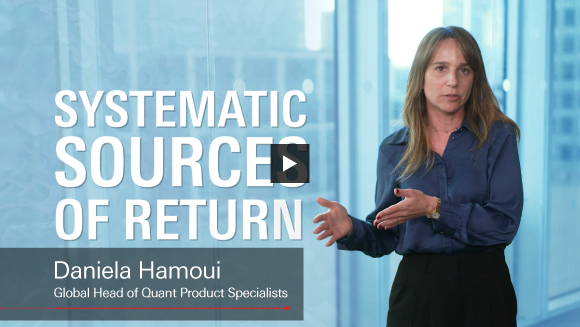
This video explores why Multi-Factor is relevant right now, and how a systematic, risk controlled process can help diversify exposures by combining multiple investment styles. You’ll also learn how the approach adapts over time as data, market conditions and factor relationships evolve.
A core equity building block for multi-asset
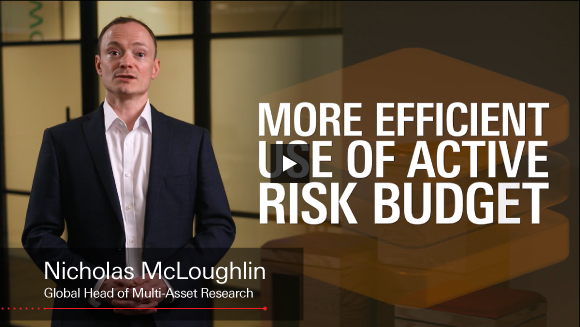
This case study looks at how Multi-Factor can function as a core equity allocation: targeting factor premia with diversified, risk controlled exposure, and clearer transparency for governance and performance attribution. It also covers why combining factors can help smooth outcomes through the cycle, without relying on difficult factor timing.
In Conversation; Active Quant Equity
Exploring the ideas, insights and investment opportunities shaping active quant equity

Inside our Active Quant Equity model
A disciplined approach to stock picking
10 stocks now make up 38 per cent of the S&P 500
What advisers should do about it
Where active quant equity sits in a model portfolio
A practical guide for investors
AI won’t pick your stocks
How active managers separate genuine signal from the hype

Quant Investing: A Beginner’s Guide
Discover how Quant investing uses data-driven factors to build diversified equity portfolios and learn why quant strategies aim to reduce emotional bias, improve consistency, and tightly control risk.
Funds in Focus
Designed for use within core equity exposures, our UK and US Multi-Factor strategies offer a systemic approach to diversification across two markets.


Beyond our UK and US Multi-Factor strategies, we offer a broader range of systematic equity solutions designed for different regional exposures and portfolio roles. Explore our full offering below to find the option that best fits your allocation, vehicle preference and governance needs.
| Fund Name | Legal Structure | Domicile | Investment Region |
|---|---|---|---|
| HSBC US Multi-Factor Equity Fund | OEIC & ICAV | UK/Ireland | USA |
| HSBC UK Multi-Factor Equity Fund | OEIC | UK | UK |
| HSBC GF ICAV Multi-Factor Worldwide Equity Fund | ICAV | Ireland | Global |
| HSBC GF ICAV Multi-Factor EMU Equity Fund | ICAV | Ireland | Europe |
Insights
|
Explore the strengths and limitations of large language models and how their most useful capabilities can be harnessed within a robust quant equity framework. |
Understand how quantitative equity can help address concentration risk and unintended macro/style exposure, as market leadership broadens beyond mega-cap tech and dispersion creates a wider opportunity set. |


Get in Touch
If you’d like to explore how Multi Factor investing could support your portfolios, our team can share further detail, relevant fund materials and tailored insights for your objectives.

Matthew Fraser-Sage Director, Business Development, London and South UK matthew.sage@hsbc.com Tel: +44 (0)20 7024 0435 Mobile: +44 (0)7920 021461 |

Pippa Barnwell Director, Business Development pippa.barnwell@hsbc.com Mobile: +44 (0)7384 794 347 |

Simon Page Director, Business Development, North and Scotland simon.page@hsbc.com Mobile: +44 (0)7584 401171 |
Platform Availability
For more information on accessing HSBC Multi Factor strategies, including availability, dealing and share class options, please contact your platform provider or usual platform relationship team.
Key Risks
It is important to remember that the value of investments and any income from them can go down as well as up and is not guaranteed.
- Counterparty Risk The possibility that the counterparty to a transaction may be unwilling or unable to meet its obligations
- Derivatives Risk Derivatives can behave unexpectedly. The pricing and volatility of many derivatives may diverge from strictly reflecting the pricing or volatility of their underlying reference(s), instrument or asset
- Emerging Markets Risk Emerging markets are less established, and often more volatile, than developed markets and involve higher risks, particularly market, liquidity and currency risks.
- Exchange Rate Risk Changes in currency exchange rates could reduce or increase investment gains or investment losses, in some cases significantly
- Investment Leverage Risk Investment Leverage occurs when the economic exposure is greater than the amount invested, such as when derivatives are used. A Fund that employs leverage may experience greater gains and/or losses due to the amplification effect from a movement in the price of the reference source
- Liquidity Risk Liquidity Risk is the risk that a Fund may encounter difficulties meeting its obligations in respect of financial liabilities that are settled by delivering cash or other financial assets, thereby compromising existing or remaining investors
- Operational Risk Operational risks may subject the Fund to errors affecting transactions, valuation, accounting, and financial reporting, among other things
- Sustainability Risk Sustainability risk means an environmental, social or governance event or condition that, if it occurs, could cause an actual or potential material negative impact on the value of the investment
Further information on the potential risks can be found in the Key Investor Information Document (KIID) and/ or the Prospectus or Offering Memorandum